Thank you! Your submission has been received

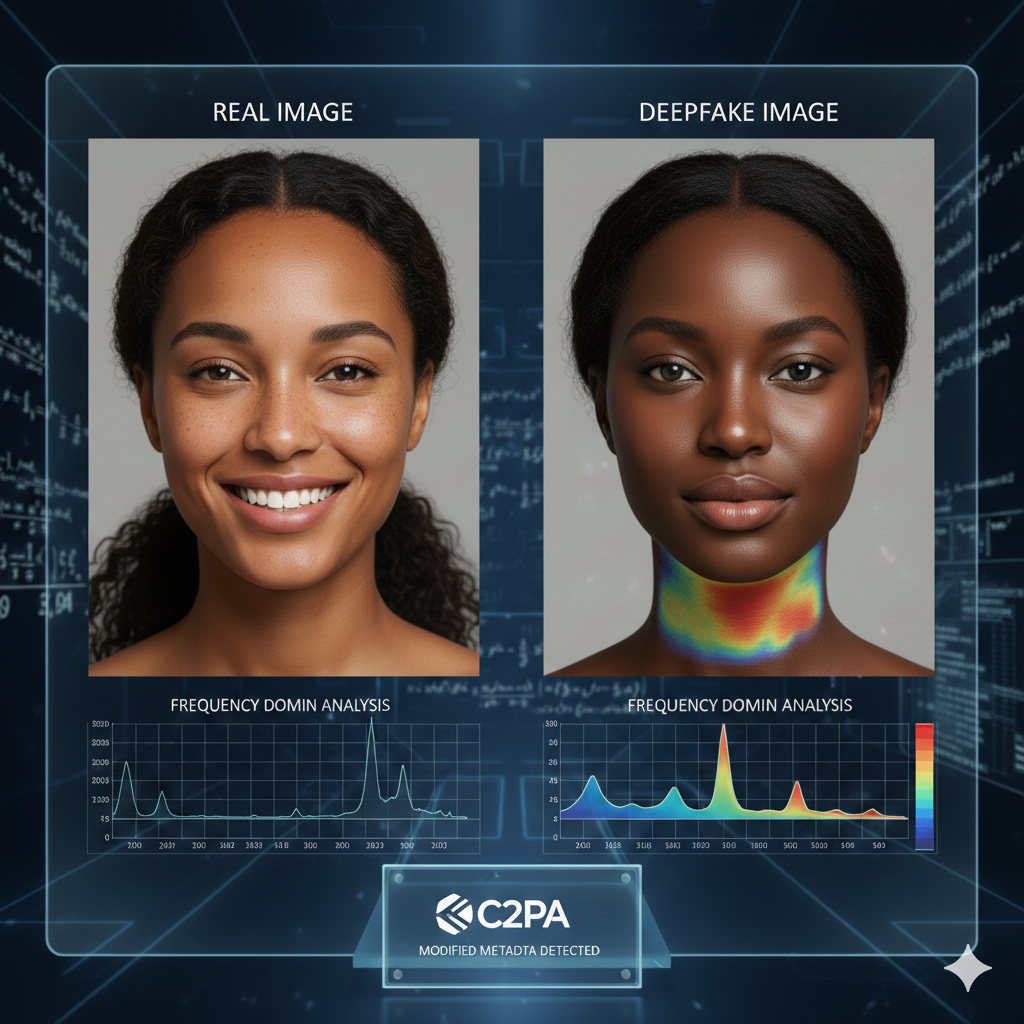
Imagine scrolling through your WhatsApp groups one evening and encountering a video of a leading presidential candidate announcing their sudden withdrawal from the race. The footage looks authentic, the voice sounds real, and within minutes, it has spread across Telegram, Facebook, and X with the speed of wildfire in the harmattan season. Political analysts across news channels are speculating, supporters are panicking and the nation is in turmoil.
Then comes the revelation: It was never real. The candidate never said those words and the video was an AI-generated deepfake.
This is not an action film o! It is a real threat facing Nigeria as the country prepares for off-cycle elections and approaches its 2027 general elections. For women aspiring to political leadership, the dangers are even more.
This situation is not speculative. It already happened in Bangladesh’s recent election, where deep fakes circulated on election night falsely announcing the withdrawal of specific candidates. Even Nigeria has already experienced its own version of this this threat. During the November 2023 Imo State off-cycle gubernatorial election, disinformation actors spread false claims that instilled fear and contributed significantly to low voter turnout. While the videos during the gubernatorial election were not sophisticated video deep fakes, they demonstrated Nigeria’s vulnerability to electoral manipulation through digital means.
The 2027 general elections will face an even more dangerous landscape. As AI technology becomes more accessible and sophisticated, what happened in Imo with simple misinformation could evolve into the kind of hyper-realistic deepfakes that paralysed Bangladesh’s electoral process. The 2023 presidential election served as a preview of what is to come, with a lot of AI-generated content that presented new challenges for governments, journalists and even citizens. One of the most impactful incidents involved the manipulated audio deepfake released just hours before voting, allegedly capturing former Vive President Atiku discussing plans to rig the election. The audio went viral instantly, exploiting existing public cynicism about electoral integrity.
2027 will be different and potentially more dangerous. Between 2019 and 2023, deepfake content experienced explosive 550% growth globally, driven by increasingly accessible AI tools (Home Security Heroes). Unlike the 2023 elections when AI tools were relatively unknown, today’s landscape features sophisticated deepfake technology that has become democratized and readily available at anyone’s fingertips. In Nigeria, the fertile ground for disinformation is undeniable, with 95% of online Nigerians using WhatsApp and 64% relying on social media as their primary source for political news (Dubawa, 2025). In a country already grappling with farmer-herder tensions, displaced communities, and fragile security architecture, deepfakes represent not just electoral manipulation but potential triggers for violence and social unrest.
Nigeria is Not Alone(Global Context)
Deepfakes have become weaponised in elections worldwide. In Indonesia’s 2024 presidential race, fabricated videos falsely showed a candidate speaking Arabic to appeal to Muslim voters. In South Africa, a deep fake video of Donald Trump endorsing a political party gained significant online attention. Germany faced an operation that set up numerous AI-powered websites distributing deepfake content attacking politicians ahead of national elections.
If fact-checkers do not act quickly, such viral content can lead to political tensions, violence and mistrust. In Nigeria’s politically unstable environment where elections are often marred by violence, a deepfake showing a candidate inciting violence against a particular group could quickly lead to bloodshed.
Women Pay The Highest Price
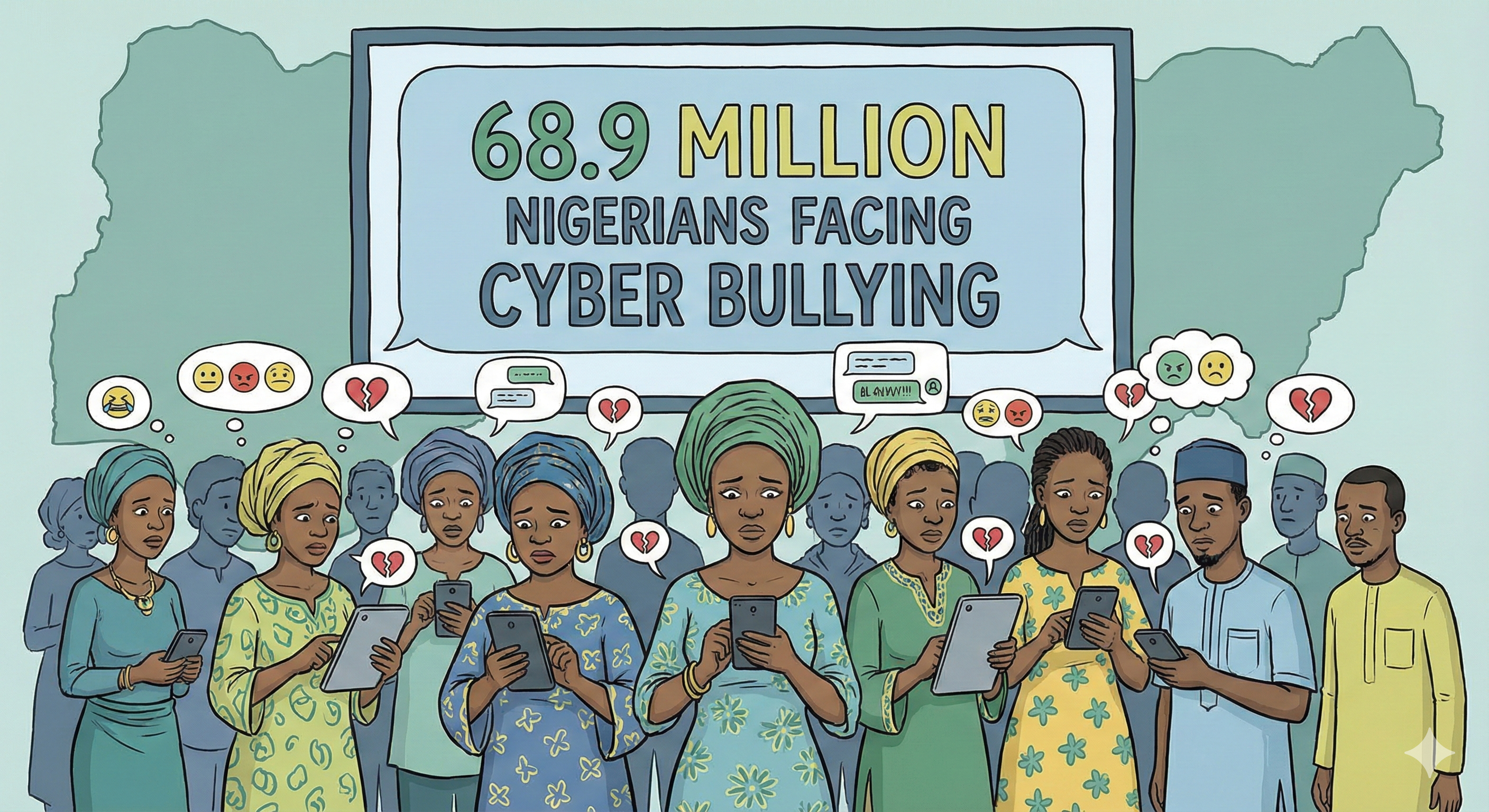
While much attention focuses on deepfakes designed to manipulate elections, there is a darker, more targeted threat that disproportionately affects women in politics. Research reveals that 96% of deepfakes online are non-consensual pornography, and the overwhelming majority target women. This is not just about electoral manipulation, it is about systemically silencing women’s political voices through sexual violence. Recent studies reveal the gender disparity in deepfake abuse. In the United States, research highlights a gender gap in AI-generated harassment: 1 in 6 women in congress have been targeted by sexually explicit deepfakes, making them 70 times more likely than their male colleagues to be victims of the over 35,000 instances on nonconsensual intimate imagery found online (American Sunlight Project, 2024).
In societies where political discourse is often shaped by sensationalist media practices, deepfakes can become tools of political warfare that silence dissent, discourage women from participating in politics, and shift the focus away from substantive issues to scandals. The assumption that institutional safeguards exist in some contexts does not apply in Nigeria, where regulatory frameworks remain weak, widespread gender inequality persists, and digital divides leave many women particularly vulnerable.
Why Nigeria Is Especially Vulnerable
In the Nigerian context, there are factors that make Nigeria particularly vulnerable to deepfake manipulation in its coming off-cycle and 2027 elections:
1. High trust in visual content: In Nigerian culture, trust in visual and audio recordings is exceptionally high. The traditional saying "I saw it with my own eyes" carries weight. This cultural predisposition combined with limited digital literacy, creates the perfect environment for deepfakes to thrive.
2. Digital literacy gap: A large portion of the populace struggles to differentiate between genuine and fabricated content
3. WhatsApp Dominance: With 95% penetration among online Nigerians, WhatsApp encrypted nature makes it difficult to track and counter misinformation before it goes viral. The group messaging feature creates echo chambers where false information circulates rapidly among trusted contacts
4. Political Polarisation: Nigeria’s ethnically and religiously divided political landscape makes it easy for deepfakes to exploit existing tensions.
Looking ahead to the 2027 democratic process, there is a foreseeable shift from political thugs to cyber thugs, reflecting the evolving landscape where technology plays a central role in influencing public sentiment and potentially destabilising the electoral process. These cyber thugs can now draft inflammatory speeches, upload them into text-to-video AI tools, and seamlessly generate videos where impersonated figures deliver messages designed to create chaos.
Nigeria’s Response
Recognizing the threat, Nigeria has begun taking steps to prepare for the 2027 elections:
INEC's AI Division
In May 2025, Nigeria's electoral commission INEC set up an Artificial Intelligence Division mandated to use AI to improve decision-making, voter engagement, and fight disinformation. However, experts caution that setting up divisions alone is not enough. There is a need to invest in training electoral officials, cybersecurity experts, and fact-checkers while educating the electorate about AI disinformation.
Fact-Checking Networks
Organizations like the Collaborative Media Project and the Centre for Democracy and Development are upgrading capabilities to better analyse AI-generated content. During the 2023 elections, fact-checking situation rooms worked around the clock to verify viral content, and these efforts are being expanded for 2027.
Platform Cooperation
Global tech companies like Google and TikTok have rolled out watermarking tools such as SynthID and auto-labels for synthetic content, though their effectiveness in the Nigerian context remains to be tested.
Although some efforts have been made, the challenge of deepfakes in the upcoming elections requires coordinated action:
1. Urgent public education campaigns
2. Legislative action with gender protections: Specific protections for women against sexually explicit deepfakes
3. Technology and detection systems such as deploying AI detection tools at INEC and major fact-checking organisations
4. Media responsibility
5. Platform accountability
6. Civil Society can establish early warning systems for viral misinformation
7. Seek technical assistance from countries that have technically managed this challenge
It is important to acknowledge that AI is not inherently problematic. The same technology that creates deepfakes can be harnessed for good. Tools like the NaijaElections Generative AI Tool demonstrate the positive potential. The challenge is ensuring that AI strengthens rather than undermines Nigeria's democratic institutions.
To combat the looming threat of deepfakes in Nigeria, citizens must adopt a “pause-before-sharing” mindset, scrutinizing content for emotional triggers and verifying sources through reputable fact-checkers like Dubawa. Also, a critical priority is protecting women in politics from AI-generated sexual harassment, and this requires a refusal to engage with nonconsensual imagery and a commitment to reporting such abuse.
The stakes for 2027 extend far beyond electoral outcomes, touching on the survival of social cohesion, public safety, and democratic legitimacy is important. If left unchecked, deepfakes risk inciting real-world violence in a fragile political climate and silencing women in nations already struggling with gender representation. However, the situation is not hopeless as this presents an opportunity for Nigeria to lead Africa in digital resilience. It is important to protect the truth in an era where seeing is no longer believing.